

Standard Schedule
Two doses 28 days apart, with the second dose ideally at least a week before travel. So allow around five weeks in total.


Needed for rural travel in Asia during transmission season, and rarely needed for short city trips. The mosquito that carries it bites around rice fields and pig farming at dusk. The free consultation establishes whether your itinerary actually calls for it.
Japanese encephalitis is a viral brain infection spread by mosquitoes across South and Southeast Asia and parts of the western Pacific. It is rare in travellers, and it is severe when it happens: most infections cause no symptoms, but where the brain is affected, roughly a third of cases are fatal and a substantial proportion of survivors are left with lasting neurological damage. There is no treatment.
That combination, low probability and high consequence, is what makes this vaccine a genuine judgement call rather than an automatic yes. It is not needed for a fortnight in Bangkok or a resort holiday in Bali. It becomes worthwhile for rural or agricultural areas, particularly near rice paddies and pig farming, for longer stays, for the monsoon and post-monsoon transmission season, and for anyone spending time outdoors at dusk in the countryside.
We would rather assess your actual itinerary and tell you honestly whether you need it. This is one of the more expensive travel vaccines, and selling it to someone doing a city break would be indefensible.

Two doses 28 days apart, with the second dose ideally at least a week before travel. So allow around five weeks in total.
For adults aged 18 to 64, a shorter schedule of two doses seven days apart is licensed, which suits late bookings.
Monday to Friday 8am to 7pm, Saturday 9am - 2pm.
A booster is recommended after 12 to 24 months for continued exposure, giving longer-term protection.
| Service | Price |
|---|---|
| Yellow Fever Vaccine (Includes Certificate) | £95 |
| Hepatitis A (Booster after 6-12 months) | £50 |
| Typhoid (Covers for 3 years) | £50 |
| Diptheria, Tetanus & Polio (Covers for 10 years) | £50 |
| Malaria Prescription | £25 |
| Hepatitis B (Course of 3 vaccines – £195) | £65 |
| Rabies (Course of 3 vaccines – £195) | £65 |
| Japanese Encephalitis (Course of 2 vaccines – £250) | £125 |
| Meningitis ACWY (Covers for 3-5 years) | £75 |
| Cholera (Course of 2 vaccines) | £95 |
| Whooping cough vaccine (Pertussis) (Pertussis combined with D/T/P) | £95 |
Step 1
Bring your itinerary, including where in the country you are going and what you will be doing.
Step 2
Your doctor works out whether the vaccine is genuinely indicated for your trip.
Step 3
28 days apart, or seven days on the accelerated schedule if you are eligible and short of time.
Step 4
Because the same mosquitoes carry dengue and other infections the vaccine does not cover.
Read verified reviews from patients we have looked, on Google, Doctify and Trustpilot.
Showing our 4 & 5 star reviews
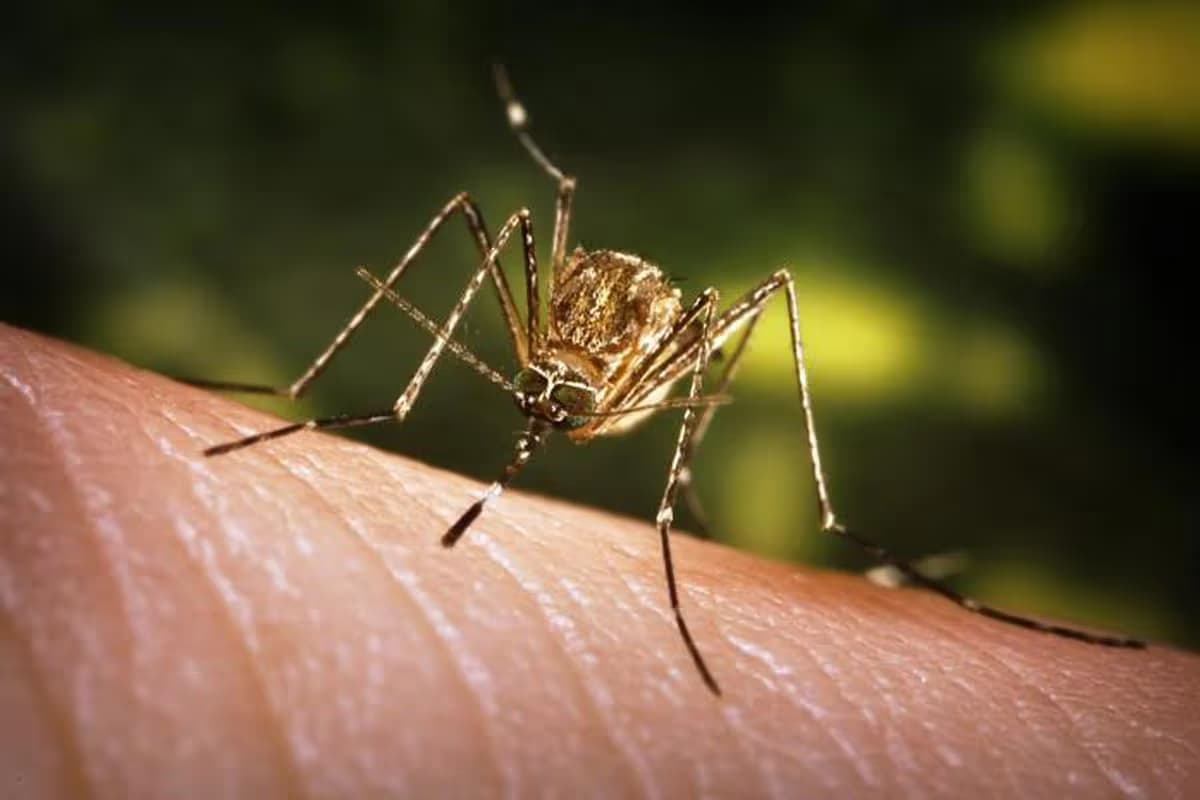
Japanese encephalitis virus is spread by Culex mosquitoes, which breed in flooded rice fields and irrigated land and bite mainly between dusk and dawn. Pigs and wading birds are the natural reservoir, which is why the risk is agricultural and rural rather than urban.
The numbers are worth understanding, because they explain the recommendation. Fewer than one in a hundred infections causes symptomatic disease, and most people infected never know. But where the virus reaches the brain, around 30 per cent of those cases are fatal, and a large proportion of survivors have permanent neurological or psychiatric consequences. There is no antiviral treatment, only supportive care. Risk to a short-term traveller is genuinely very low, well under one in a million per trip, but rises substantially with rural exposure during transmission season and with length of stay.
So the honest framing is: this is a low-probability, high consequence, untreatable infection with an effective vaccine that is not cheap. Whether to have it depends on your itinerary, and that is a conversation rather than a formula.
The vaccine used in the UK is inactivated and cell culture derived, so it is suitable for people who cannot have live vaccines. Two doses give protection in over 95 per cent of recipients, and a booster at 12 to 24 months extends protection substantially for continued exposure. Side effects are usually a sore arm, headache or muscle aches for a day or two.
| Private | NHS | |
|---|---|---|
| Availability | Same day, book directly | Not funded for travel |
| Cost | £125 per dose, £250 course | Not free for travel |
| Accelerated schedule | Available for eligible adults | Not applicable |
| Waiting time | Days | Not routinely provided |
| Risk Assessment | Full itinerary assessment | Via travel clinic if available |
Japanese Encephalitis vaccine is not funded by the NHS for travel, so this is a paid vaccine either way.
£125 per dose, £250 for the two-dose course.
About five weeks on the standard schedule. Less if you are eligible for the accelerated one.
Two doses give good protection, and a booster at 12 to 24 months extends it substantially for ongoing exposure.
Usually, a sore arm, headache, or muscle aches for a day or two.
No. Different virus, different mosquito, different biting time. Bite avoidance across the whole day matters.
Two, 28 days apart, or seven days apart on the accelerated schedule for eligible adults.
It depends entirely on where you are going and what you will be doing. For a city break or resort holiday, usually not. For rural travel in transmission season or a long stay, yes. We will give you a straight answer.
No, it is inactivated, so it is suitable for immunosuppressed people.
No specific antiviral treatment exists, only supportive care. That is a large part of the argument for the vaccine where risk is real.
It varies by country and generally peaks during and after the monsoon. We will check for your specific destination and dates.
Book a travel assessment, and we will tell you honestly, based on your actual itinerary. Where it is indicated, we will schedule the course around your departure.