

Two Doses, One to Six Weeks Apart
Adults need two doses given at least one week and no more than six weeks apart. Children aged 2 to 5 need three doses.

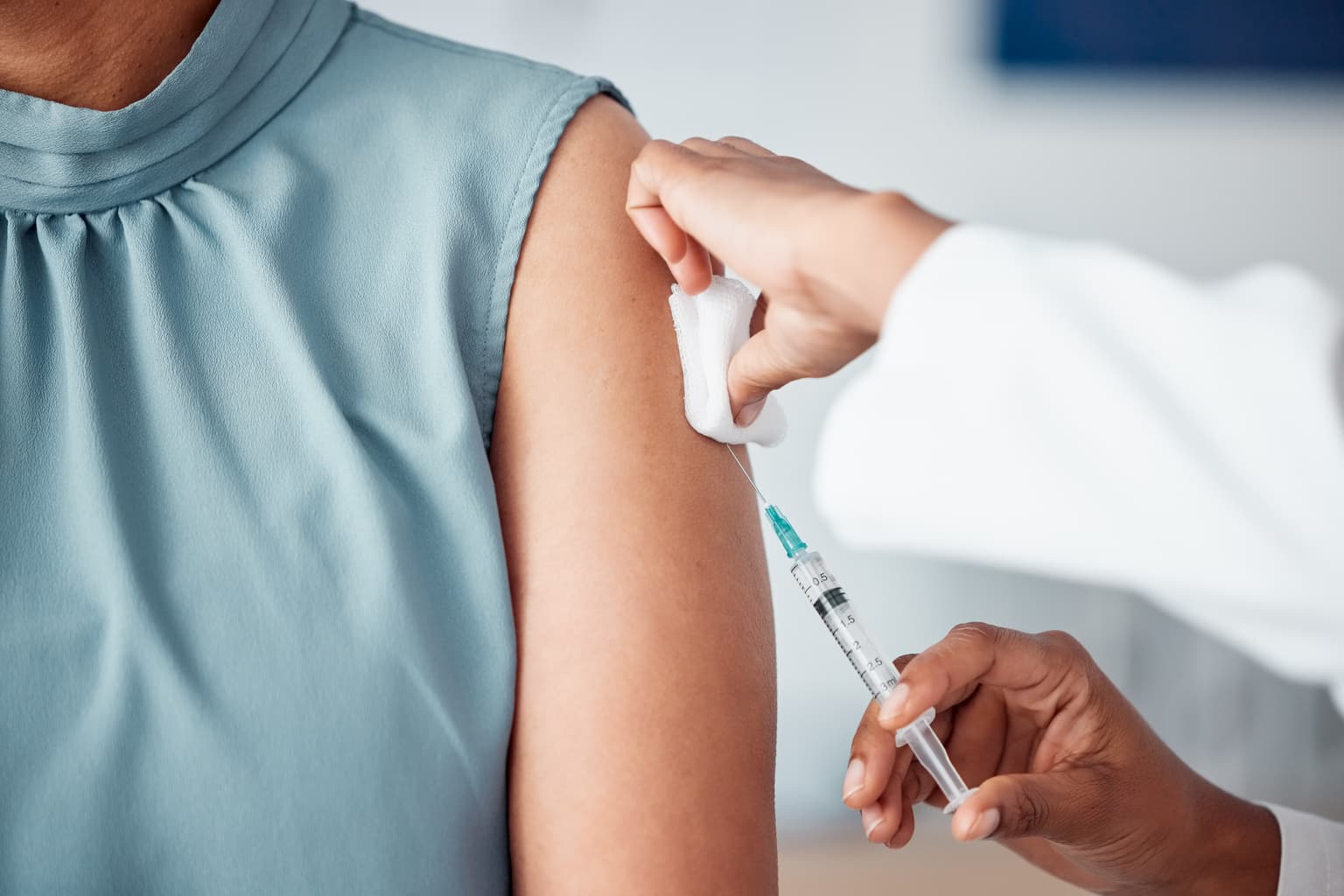
Taken as a drink rather than an injection, over two doses a week apart. Relevant for travel to areas with poor sanitation or a current outbreak, and for aid and relief work. Food and water precautions do more to protect you than the vaccine does, and we cover both.
Cholera is a bacterial infection causing severe watery diarrhoea and rapid dehydration. It spreads through water and food contaminated with sewage, and it occurs where sanitation has broken down: refugee camps, disaster zones, areas of conflict, and places with poor water infrastructure.
For the great majority of travellers, the risk is negligible. Cholera is very rare in tourists, even in countries where it circulates, because it requires the kind of exposure that ordinary travel does not usually involve. UK guidance recommends the vaccine for specific groups rather than for travel generally, and we follow that.
Where it is genuinely recommended: aid and disaster relief workers, healthcare workers in outbreak areas, people travelling to areas with a current outbreak, those working in refugee camps or with displaced populations, and travellers with particular medical vulnerabilities where dehydration would be dangerous.
One more honest point. The vaccine gives partial protection against travellers’ diarrhoea caused by enterotoxigenic E. coli, which shares a similar toxin. That protection is modest and short-lived, roughly three months. Some travellers buy it primarily for that reason, and that can be a reasonable personal choice, but it should be made with realistic expectations rather than on the basis that it prevents holiday tummy trouble. It largely does not.

Adults need two doses given at least one week and no more than six weeks apart. Children aged 2 to 5 need three doses.
Protection develops about a week after the final dose.
Monday to Friday 8am to 7pm, Saturday 9am - 2pm.
Dissolved in water and drunk, with food and drink avoided for an hour either side. It is not an injection.
Step 1
Your doctor establishes whether the vaccine is genuinely indicated for your trip or deployment.
Step 2
Taken at the clinic, dissolved in water. Avoid food and drink for an hour either side.
Step 3
One to six weeks later, and at least a week before you travel.
Step 4
Which matters more than the vaccine for most people?

Read verified reviews from patients we have looked, on Google, Doctify and Trustpilot.
Showing our 4 & 5 star reviews

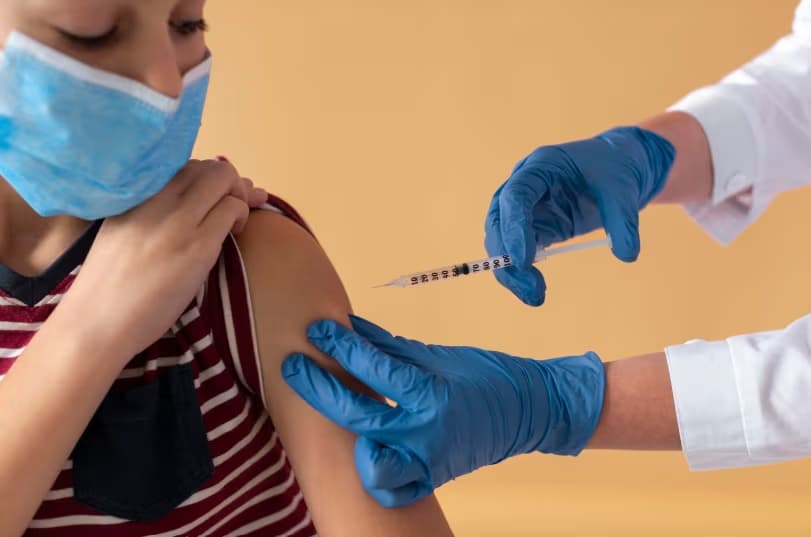
Cholera is caused by Vibrio cholerae, a bacterium that produces a toxin causing the intestine to secrete large volumes of fluid. The result is profuse watery diarrhoea, sometimes several litres an hour in severe cases, with rapid and potentially fatal dehydration. Most infections are mild or symptomless; a minority are dramatic.
It spreads through water and food contaminated with faeces, which is why it appears where sanitation fails rather than tracking neatly to particular countries. Outbreaks follow floods, earthquakes, conflict and population displacement.
The vaccine used in the UK is an oral, inactivated whole cell vaccine with a recombinant toxin subunit. Two doses give around 85 per cent protection in the first six months, declining thereafter, with protection lasting about two years in adults. A booster at two years is recommended for continued risk.
On the travellers’ diarrhoea question. The toxin subunit in the vaccine is similar to the toxin produced by enterotoxigenic E. coli, a common cause of travellers’ diarrhoea, so the vaccine gives some cross protection. Be realistic about the size of that effect: it is modest, it covers only one of many causes of travellers’ diarrhoea, and it lasts around three months. It is not a reason to expect an untroubled stomach, and any provider implying otherwise is overselling. Food and water precautions and a packet of rehydration salts will do more for you.
Side effects are usually mild gastrointestinal upset and occasionally nausea or abdominal discomfort.
| Private | NHS | |
|---|---|---|
| Availability | Same day, book directly | Sometimes free at GP practices for eligible travellers |
| Cost | £95 course | Free where your practice provides it |
| Risk assessment | Full itinerary assessment | Via travel clinic if available |
| Waiting time | Days | Depends on practice capacity |
Worth checking with your GP practice first, since cholera vaccine is sometimes provided free on the NHS for travellers with a genuine indication. Private vaccination is worth paying for when you cannot get an appointment before deploying, or want everything done in one visit.
£95 for the two-dose adult course.
Two for adults, one to six weeks apart. Three for children aged 2 to 5.
Around two years in adults, with the highest protection in the first six months.
Dissolved in water and drunk, avoiding food and drink for an hour on either side.
Yes, from age 2, with a three-dose schedule for ages 2 to 5.
Sometimes, for travellers with a genuine indication. Worth asking your practice.
No. It is taken orally, dissolved in water.
Probably not if you are on a standard holiday. It is recommended for aid workers, medics, outbreak areas, and people for whom dehydration would be dangerous. We will tell you honestly.
Partially, against one common cause, modestly, and for about three months. Do not buy it expecting that.
Usually mild gastrointestinal upset, sometimes nausea.
Yes, and rehydration is the key treatment. With prompt rehydration mortality is very low. Carry oral rehydration salts.
Deploying Somewhere With Poor Sanitation?
Book a travel assessment. We will tell you honestly whether you need this vaccine, and make sure the rest of your travel health is covered.