

Standard Course
Three doses over 21 to 28 days. Ideally start at least a month before you travel so the course is complete before departure.

Worth having for remote travel, long stays, and anywhere medical care is more than a day away. Being vaccinated does not mean you can ignore a bite. It means you need two further doses instead of a full course plus immunoglobulin, which is a significant advantage when you are a long way from a hospital.
Rabies is present in more than 150 countries, carried mainly by dogs but also by cats, bats, monkeys and other mammals. It is transmitted through a bite, a scratch, or a lick on broken skin or the eyes. Once symptoms develop it is almost always fatal, and before then it is entirely preventable.
Pre travel vaccination is a three dose course. It is recommended if you are travelling somewhere remote where medical care is hours or days away, staying a long time, cycling or backpacking, working with animals, or travelling with young children, who are more likely to approach an animal and less likely to report a small bite.
The point most people get wrong, so we will be blunt about it. Being vaccinated beforehand does not mean you can ignore a bite. What it does is remove the need for rabies immunoglobulin, which is expensive, frequently unavailable in exactly the countries where you are most likely to be bitten, and the part of post bite treatment that is hardest to obtain. A vaccinated traveller needs two further doses of vaccine after a bite. An unvaccinated one needs a full course plus immunoglobulin, which can mean an emergency flight to another country. That difference is the whole reason to have the course.

Three doses over 21 to 28 days. Ideally start at least a month before you travel so the course is complete before departure.
Shorter schedules exist for travellers departing sooner.
Still worth starting. Partial protection is better than none, and we will tell you honestly what your course can achieve in the time available and what it cannot.
Monday to Friday, 8am to 7pm, Saturday 9am to 2pm.
| Service | Price |
|---|---|
| Yellow Fever Vaccine (Includes Certificate) | £95 |
| Hepatitis A (Booster after 6-12 months) | £50 |
| Typhoid (Covers for 3 years) | £50 |
| Diptheria, Tetanus & Polio (Covers for 10 years) | £50 |
| Malaria Prescription | £25 |
| Hepatitis B (Course of 3 vaccines – £195) | £65 |
| Rabies (Course of 3 vaccines – £195) | £65 |
| Japanese Encephalitis (Course of 2 vaccines – £250) | £125 |
| Meningitis ACWY (Covers for 3-5 years) | £75 |
| Cholera (Course of 2 vaccines) | £95 |
| Whooping cough vaccine (Pertussis) (Pertussis combined with D/T/P) | £95 |
Step 1
Ideally a month or more before travel. Same day appointments usually available.
Step 2
Your itinerary, activities and other vaccination needs reviewed.
Step 3
Three doses over 21 to 28 days, scheduled around your departure.
Step 4
Written advice on what to do if you are bitten, plus a vaccination record to carry with you.

Private GP with a Special Interest in Aesthetic and Longevity Medicine
Dr Sabina Hanoman-Singh is a general practitioner with a special interest in aesthetic and longevity medicine. She gained her medical degree from the University of Leicester in 2013, achieved Membership of the Royal College of General Practitioners in 2019, and completed a Diploma in Aesthetic Medicine in 2023.
Rated ★4.5 by 171+ patients for fast, professional, and personalised care.
Showing our 4 & 5 star reviews
We provide rabies services at multiple clinic locations across the UK. If you require a medical certificate, legal medical report, or GP health record summary, you can visit one of our local clinics below:
Our GMC-registered doctors ensure fast turnaround times and legally compliant documentation at every location.
Individual Plan
£79
Per User/month, billed annually
Affordable Healthcare For Individuals
Couples Plan
Popular£149
Per User/month, billed annually
Full Benefits For Two People
Family Plan
£199
Per User/month, billed annually
Cover The Whole Family For One Fixed Price
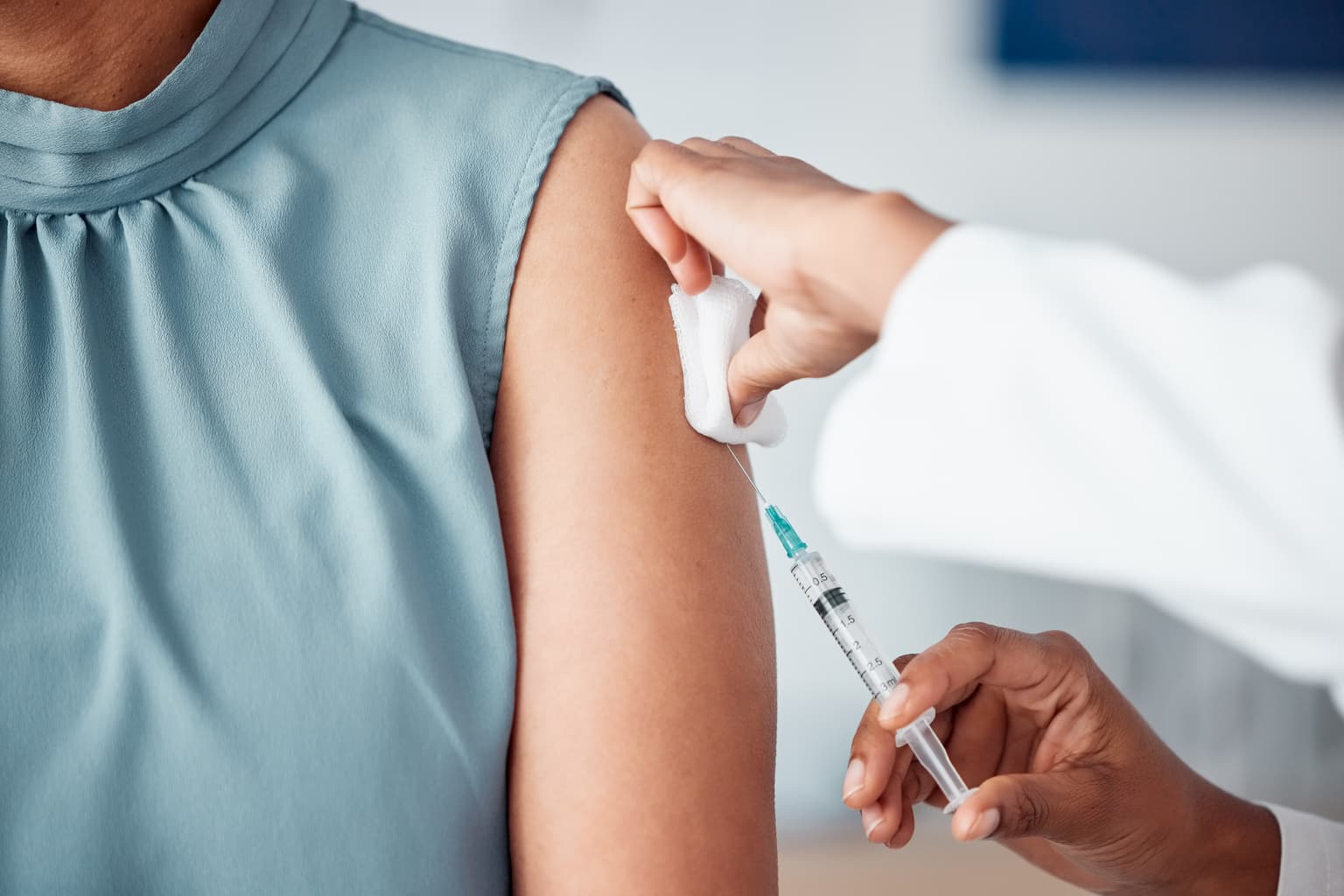

Rabies is a viral infection of the nervous system. The virus travels along nerves from the site of the bite to the brain, which is why the incubation period varies so widely, from a few weeks to, occasionally, more than a year, and why bites further from the head generally take longer to develop. Once symptoms appear, rabies is almost universally fatal. There is effectively no treatment at that stage.
Everything therefore depends on the window before symptoms begin, which is usually weeks. Wound washing, vaccination and, where needed, immunoglobulin during that window prevent the disease reliably. This is why the advice in Module 8 matters more than anything else on this page.
The vaccine itself is inactivated, not live, so it is safe for people who cannot have live vaccines, including those who are immunosuppressed and, where the risk justifies it, in pregnancy. Side effects are usually limited to a sore arm and occasionally mild flu like symptoms. Three doses produce reliable immune memory, which is what allows a rapid response to two booster doses after an exposure.
On boosters. Once you have completed a primary course, routine boosters are not generally needed for most travellers, though people with continuing occupational exposure may need periodic testing or boosting. If you had a course years ago, tell us, because your post exposure requirement is different from someone never vaccinated and that fact stays useful for life.
| Rabies | NHS GP | |
|---|---|---|
| Cost | £65 per dose, £195 course | Free at point of use |
| Typical Wait | Same day or within days | Free and coordinated through UKHSA |
| Pre travel vaccination | Available, £195 course | Not free for travel purposes |
| Occupational vaccination | Available | Usually funded by the employer |
Rabies vaccine for travel is not funded by the NHS, so this is a paid vaccine either way. Post-exposure treatment after a possible exposure is a different matter and is provided free in the UK. If you are bitten abroad and come home, do not delay because of cost.
£65 per dose, or £195 for the full three dose course.
At least a month, so the course can be completed before you go.
No. Wash the wound and seek urgent medical assessment regardless. Vaccination means you need two further doses rather than a full course plus immunoglobulin, which is a significant advantage but not an exemption.
A completed course gives long lasting immune memory. Routine boosters are not generally needed for most travellers.
It is not a live vaccine, so it can be given in pregnancy where the risk justifies it. Discuss it with us.
Much of Asia and Africa, and parts of Central and South America. Your exact itinerary and activities determine the recommendation.
Three, over 21 to 28 days.
Accelerated schedules exist.
A bite, a scratch, or a lick on broken skin or on the eyes, mouth or nose, from any mammal in a risk area. Bat contact counts even where no wound is obvious.
Yes. It is inactivated rather than live, so it is suitable for people who cannot have live vaccines. Side effects are usually a sore arm and occasionally mild flu like symptoms.
They are often a priority for it, because they are more likely to approach animals and less likely to report a small bite.
Wash the wound thoroughly and seek the nearest competent medical care urgently, and contact your travel insurer. This is a situation where evacuation is sometimes necessary, and it is a large part of why pre travel vaccination is worth it.
Book your first dose and we will schedule the full course around your departure date, with clear written advice on what to do if you are bitten.
