Syphilis is an infection caused by the bacterium Treponema pallidum, passed on through unprotected vaginal, anal or oral sex, through close skin contact with an infectious sore, and from a pregnant woman to her baby.
It progresses in stages, and understanding them explains why it is so often missed:
Primary: Around two to three weeks after exposure, a single sore, called a chancre, appears where the bacteria entered. It is typically firm, round and painless, which is why people ignore it. It heals by itself within three to six weeks whether or not you are treated.
Secondary: Weeks to months later, a rash often appears, characteristically on the palms and soles, alongside flu like symptoms, swollen glands, patchy hair loss or mouth ulcers. This also resolves on its own.
Latent: The infection then persists with no symptoms at all, sometimes for decades.
Tertiary: In a proportion of untreated cases, years later, syphilis causes serious damage to the heart, blood vessels, brain and nerves. This stage is largely preventable, and preventing it is the entire argument for testing.
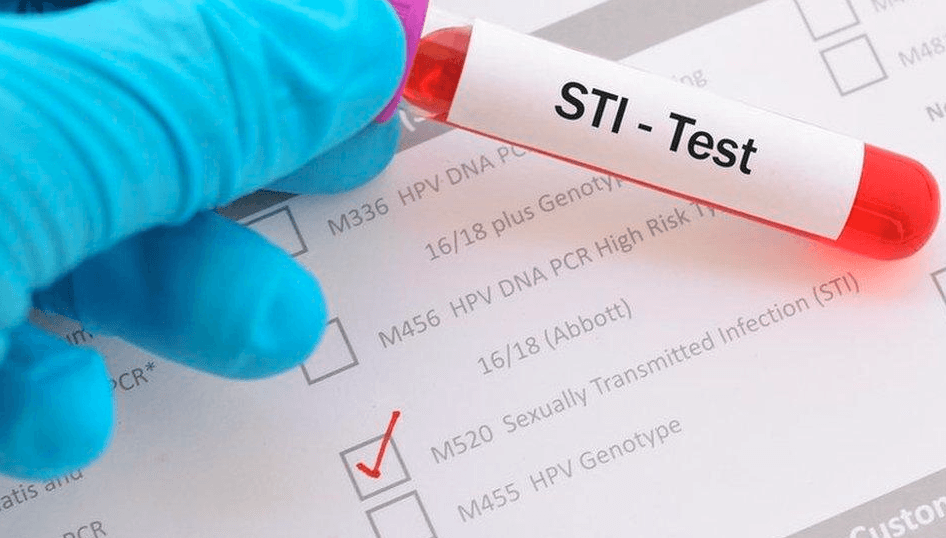
On testing and results: The blood test looks for antibodies to the bacterium. These usually stay positive for life, even after cure, so a reactive result alone does not tell you whether infection is active. A quantitative test (RPR or VDRL) measures how active the infection is, and together with your history it tells a clinician whether this needs treating now, was treated before, or needs specialist staging. This is the reason a syphilis result should be explained by a doctor rather than read off a report.
Treatment cures it: Injectable penicillin clears the infection at any stage, though damage already done at the tertiary stage cannot be reversed. Follow-up blood tests confirm the treatment h