

The Standard Course
Two doses, eight weeks apart.


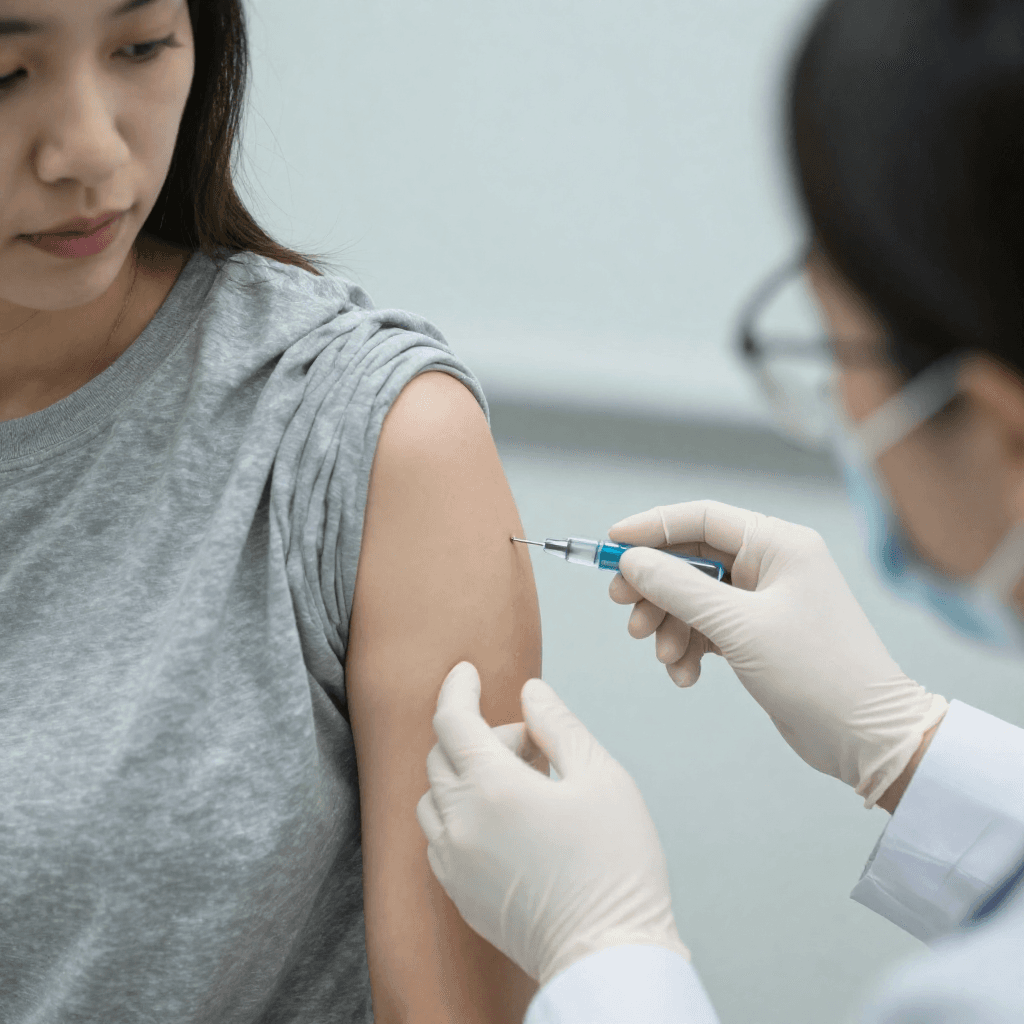
Chickenpox Vaccination for Children and Adults
Chickenpox vaccination is not part of the routine UK childhood schedule, unlike in many other countries, so most parents who want their child protected have to arrange it privately. It is a two-dose course, eight weeks apart, and it is highly effective.
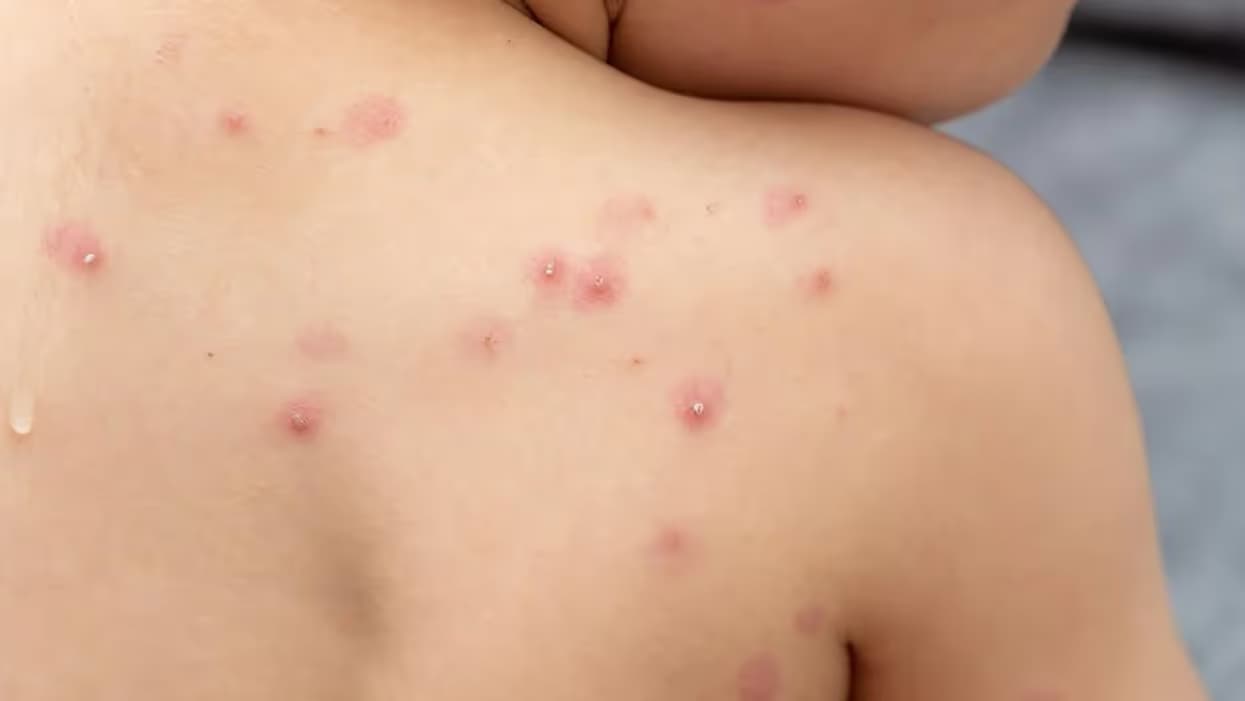
Two groups have the strongest reasons to have it. Children, where parents want to avoid a miserable week or two, the risk of scarring, and the small but real risk of complications, and to avoid the childcare and work disruption. And non-immune adults, where chickenpox is considerably more severe than in children, with a higher risk of pneumonia and hospital admission. Adults who grew up in countries where chickenpox is less prevalent frequently reach the UK without immunity and without knowing it.
If you have just been exposed, this is urgent rather than routine. Vaccination within three to five days of contact can prevent infection or substantially reduce its severity. Call us the same day if a non-immune adult or child has been in contact with chickenpox or shingles, particularly if pregnancy or immunosuppression is involved in the household.
Two doses, eight weeks apart.
Same-day appointment. Post-exposure vaccination can prevent infection or reduce severity, and the window is short.
If you are planning a pregnancy and are not immune, vaccinate beforehand. The vaccine is live and cannot be given during pregnancy, and a conception delay is advised after vaccination
Monday to Friday 8am to 7pm, Saturday 9am - 2pm.
Step 1
Same day, usually. Tell us if this follows an exposure, since that makes it urgent.
Step 2
For adults unsure of their history, a blood test can establish immunity before vaccinating.
Step 3
An injection in the upper arm.
Step 4
Eight weeks later, booked before you leave and recorded
Rated ★4.5 by 171+ patients for fast, professional, and personalised care.
Showing our 4 & 5 star reviews

The chickenpox vaccine contains live attenuated varicella zoster virus, weakened so that it produces immunity without causing significant illness. Two doses give protection in the region of 90 per cent or more against any chickenpox, and close to complete protection against severe chickenpox. Where a vaccinated person does catch it, the illness is typically much milder, with fewer lesions and a quicker recovery.
Because it is live, it cannot be given in pregnancy or to significantly immunosuppressed people. That constraint drives a useful piece of planning: anyone about to start immunosuppressive treatment, or planning a pregnancy, should be vaccinated beforehand if they are not immune, because the window closes once treatment starts or conception occurs.
On post-exposure use. Given within three to five days of contact, the vaccine can prevent chickenpox or substantially reduce its severity. This is a recognised use and it is genuinely valuable, particularly for non-immune adults in a household where a child has just been diagnosed. The window is short, which is why the same-day appointment matters.
Side effects are usually a sore arm, and in a minority a mild rash of a few spots one to three weeks later, which reflects the vaccine virus and is not chickenpox. Very rarely, someone with a vaccine rash can transmit the vaccine strain, so it is worth avoiding close contact with immunosuppressed people and pregnant women if a rash appears.
On testing first. Many adults do not know whether they had chickenpox as a child, and a blood test for varicella antibodies settles it. Testing is often the sensible first step, because a large proportion of adults who think they never had it turn out to be immune from a subclinical childhood infection, and finding that out is cheaper than a two-dose course.
| new | |
|---|---|
| Routine childhood vaccination | new |
| Non immune adults at occupational risk | Available |
| Household contacts of immunosuppressed people | Available |
| Post exposure vaccination | Same day |
| Immunity testing | Available |
| Cost | £95 |
Two things worth checking before paying. If you are a household contact of someone immunosuppressed, or a healthcare worker without immunity, NHS or employer-funded vaccination is often available. And the routine childhood position is changing, so it is worth asking whether the programme has been implemented before paying privately.
£95
Not routinely for healthy children, though it is available free for some groups, including household contacts of immunosuppressed people. The JCVI has recommended adding it to the childhood programme.
Yes, and non immune adults have a strong case, since chickenpox is more severe in adulthood.
No, it is a live vaccine. If you are planning a pregnancy and are not immune, vaccinate beforehand and allow the recommended interval before conceiving.
No, it is live. If an immunosuppressed person is exposed, immunoglobulin or antiviral treatment may be needed instead, and that is urgent.
It is thought to reduce the risk, since you are not carrying wild virus, though long term data is still accumulating.
Two, eight weeks apart.
Around 90 per cent or more against any chickenpox after two doses, and close to complete protection against severe disease.
Have a blood test first. A large proportion of adults who think they never had it are actually immune, and testing is cheaper than an unnecessary course.
Yes, within three to five days of contact it can prevent infection or reduce severity. Call the same day.
Usually a sore arm, and sometimes a mild rash of a few spots one to three weeks later, which is a vaccine response rather than chickenpox.
Usually, with some spacing rules for other live vaccines.
Book a same-day appointment for a child or adult. If this follows an exposure, tell us when you call, because the window for post-exposure vaccination is only a few days.