

SURGEON
Mr Samuel George, Consultant Plastic, Hand and Peripheral Nerve Surgeon, GMC 7013435


Trigger finger release is surgery to divide the A1 pulley at the base of the finger or thumb, freeing a tendon that has been catching as it moves. Performed by Mr Samuel George, consultant plastic, hand and peripheral nerve surgeon, in our minor operations theatre in Edgbaston, under local anaesthetic as a day case.

Mr Samuel George
Consultant Plastic, Hand and Peripheral Nerve Surgeon
Trigger Finger Release is carried out at our Edgbaston clinic, 88 Hagley Road, Edgbaston, Birmingham B16 8LU, in a minor operations theatre with a surgical nurse present throughout. It is the only Private Medical Clinic site where surgery is performed, so wherever you are in the Midlands this is where you would come.
Performed by Mr Samuel George, consultant plastic, hand and peripheral nerve surgeon, in our minor operations theatre in Edgbaston, under local anaesthetic as a day case. Assessment comes first and nothing is done at that appointment, so you leave with a diagnosis and a written price rather than a decision made under pressure. No referral is needed and you do not need to be registered with us.
If you are outside Birmingham, our national trigger finger release page covers the procedure in full and links to every location offering it.
Mr Samuel George, Consultant Plastic, Hand and Peripheral Nerve Surgeon, GMC 7013435
A1 pulley release under local anaesthetic, day case, 15 to 20 minutes
trigger finger surgery, trigger thumb release, A1 pulley release
88 Hagley Road, Edgbaston, Birmingham B16 8LU
£1,995, one digit. Consultation £195, redeemable
Local anaesthetic, day case, home the same day
Adults 18 and over
Not needed


Because a large proportion of trigger fingers settle with one or two, and that avoids surgery.

Mr George, GMC Specialist Register, whose practice is hand and nerve surgery.
You bend the finger on the table so the surgeon confirms the catching has gone.

Day case, no general anaesthetic, no overnight stay.

£1,995 per digit, confirmed before you commit.

Unlike injection, where it can return, particularly in diabetes.
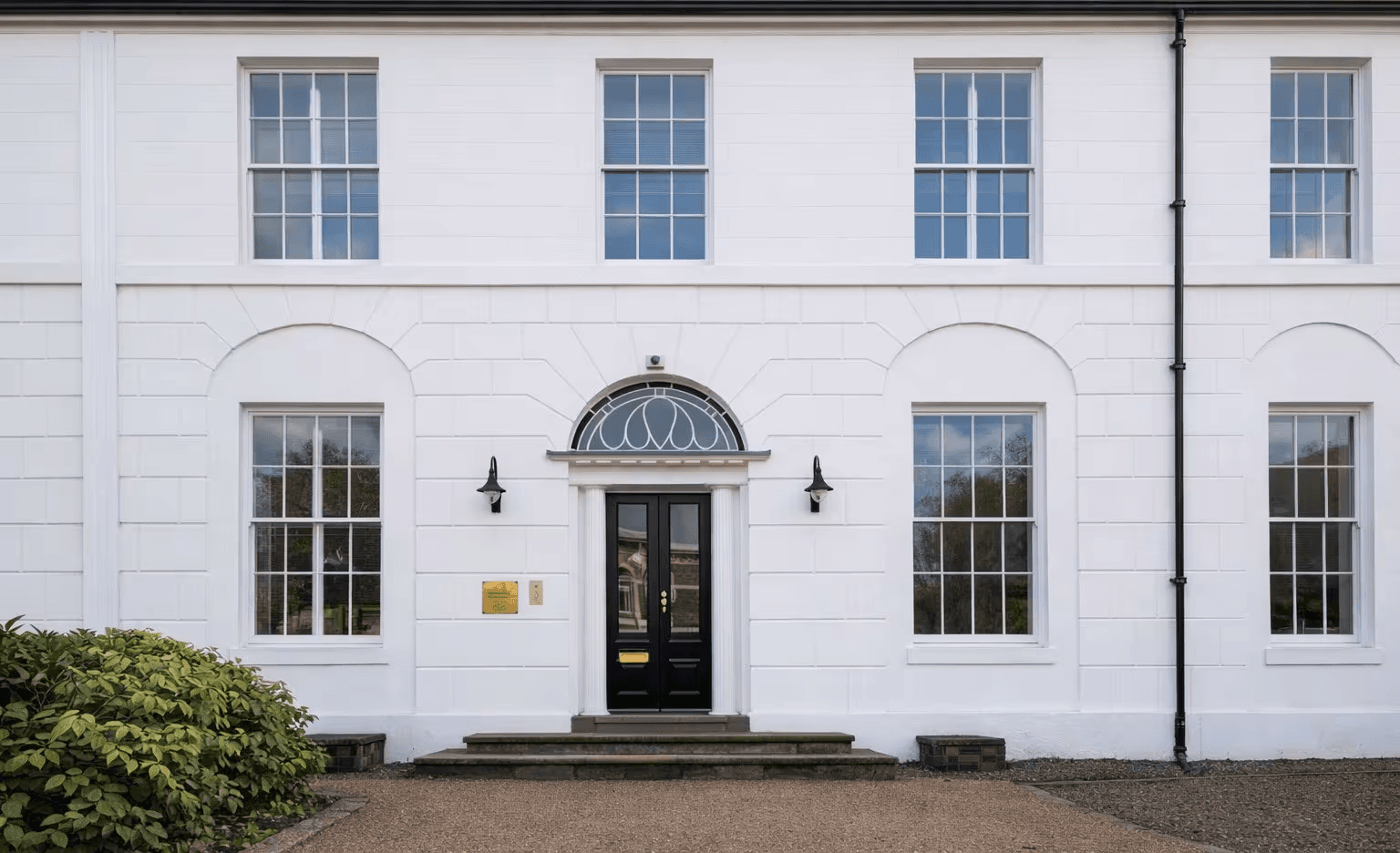
Your procedure takes place in our own minor operations theatre, not in a consulting room with the lights turned up. It is at 88 Hagley Road, Edgbaston, Birmingham B16 8LU, and serves as the surgical site for the entire Private Medical Clinic network.
A surgical nurse is with you from the moment you come through to theatre until you leave, which counts for more than it sounds when you are awake for your own operation. Everything is under local anaesthetic as a day case, so there is no general anaesthetic, no overnight stay, and you are home the same day.
Consultant Plastic, Hand and Peripheral Nerve Surgeon. GMC 7013435, GMC Specialist Register.
Mr George is a consultant at the Birmingham Hand Centre, a member of the British Society for Surgery of the Hand and of BAPRAS, and director of an internationally recognised hand and peripheral nerve fellowship programme. He is lead trainer for the nationally appointed Advanced Training Post in hand surgery in the West Midlands, and was named PLASTA Plastic Surgery Trainer of the Year for the UK and Ireland in 2025. He has published over forty peer-reviewed papers and teaches on university surgical programmes.
In other words, he is one of the surgeons who trains this region’s surgeons. Clinical governance at Private Medical Clinic is led by Dr Sabina Hanoman-Singh, and Dr Simon Khela is our Medical Director. Every clinician is GMC registered and the clinic is CQC registered.

Consultant Plastic, Hand and Peripheral Nerve Surgeon
Mr. Samuel George completed his plastic surgical training at the Northwest Deanery in 2019, after graduating from the University of Aberdeen in 2008. Samuel is a prominent surgical educator in the United Kingdom and a member of the British Association of Plastic, Reconstructive, and Aesthetic Surgeons (BAPRAS) and the British Society for Surgery of the Hand (BSSH).
Trigger finger happens when the tendon that bends your finger thickens, or its sheath narrows, so the tendon no longer runs smoothly. The finger catches, clicks, and in time locks bent, sometimes needing the other hand to straighten it. Trigger thumb is the same problem in the thumb and is at least as common.
For most people a steroid injection is the right first treatment, and it is genuinely effective: a large proportion of trigger fingers settle with one or two injections and need nothing more. We offer that first, because it works and because it avoids an operation.
Surgery is the answer when injections have not held, when the finger is locking rather than just catching, or when it has been stuck bent long enough that the joint itself is stiffening. Diabetes makes both recurrence after injection and the condition itself more likely, and it is worth mentioning at your assessment. Adults aged 18 and over.


The base of the finger or thumb is numbed with local anaesthetic. A small incision is made in the palm at the base of the digit and the A1 pulley, the tight band the tendon has been catching under, is divided. The tendon then runs freely.
You are usually asked to bend and straighten the finger there and then, while you are still on the table, so the surgeon can confirm the catching has gone before closing. That immediate check is one of the advantages of doing it under local anaesthetic with you awake.
The whole thing takes about fifteen to twenty minutes. The skin is closed with sutures, a light dressing goes on, and you go home the same day and use the hand straight away.
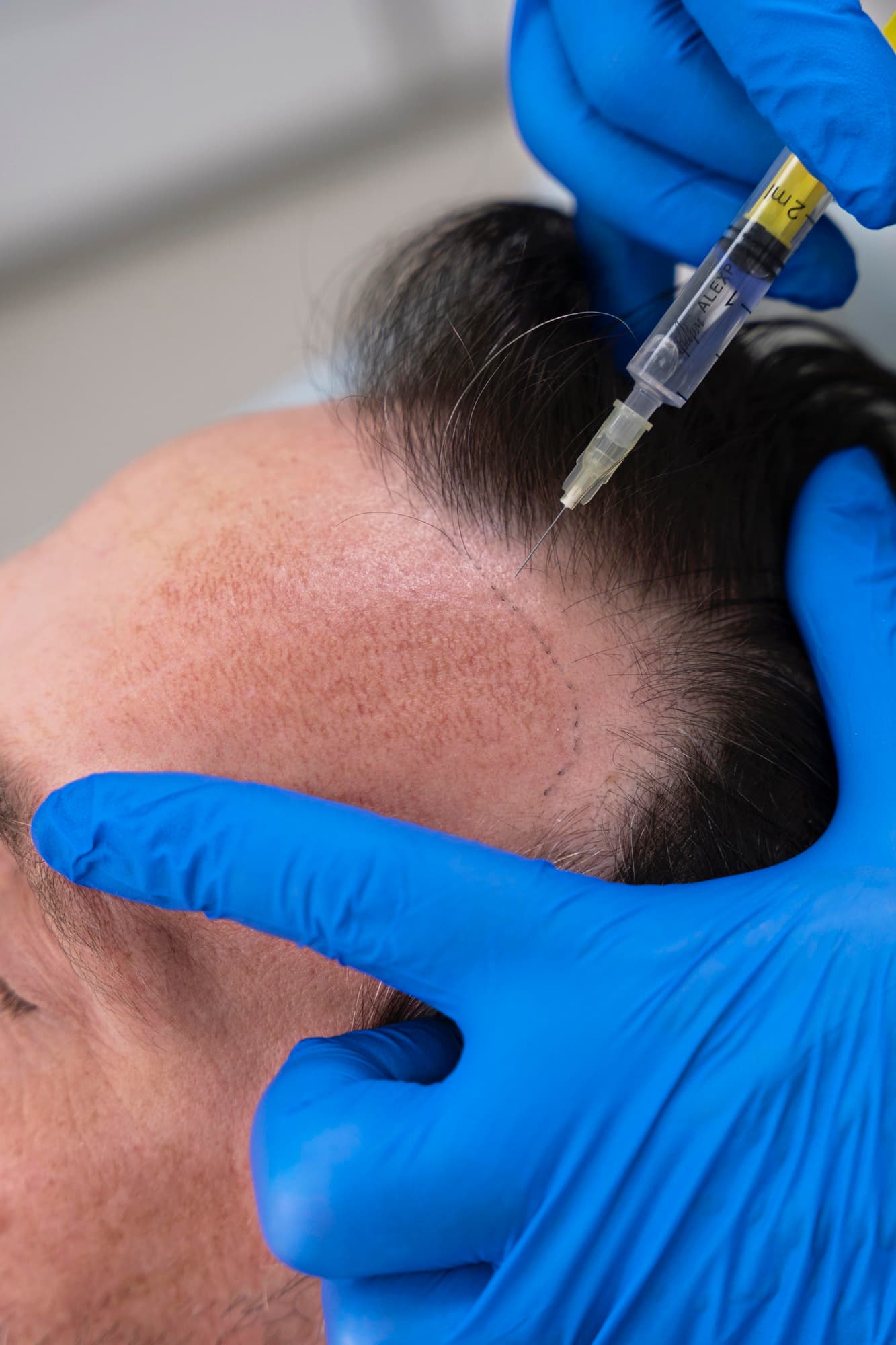
Before and after photographs are the most persuasive thing on a surgery page, which is exactly why they have to be handled properly. Every image here is a real patient of this clinic who has given documented written consent, and the results shown are typical rather than the best we have ever achieved. Ask at your consultation if you would like to see more.
 Before
 After
AfterWe are on Hagley Road in Edgbaston, just west of Birmingham city centre and close to the Five Ways end of Broad Street.
Address
<p>88 Hagley Road, Edgbaston, Birmingham B16 8LU</p>
Opening Hours
Monday to Friday 8am to 7pm,
Saturday 9am to 2pm
Sunday: Closed
Phone
0121 798 0729
hello@privatemedicalclinic.co.uk
Getting here
By car: A38 and Hagley Road (A456); free on-site parking to the rear
Easily reached from Birmingham city centre, Harborne and the wider West Midlands
Serving: Edgbaston and Harborne, Birmingham city centre and the Jewellery Quarter, Solihull and Wolverhampton, and Moseley, Kings Heath, West Bromwich and Walsall across the West Midlands.
Rated ★4.5 by 171+ patients for fast, professional, and personalised care.
Showing our 4 & 5 star reviews
These are the questions people actually search for, taken from search data rather than invented. If yours is not here, call 0121 798 0729 before you book.
£1,995 for one digit, with a £195 consultation that is with the surgeon and redeemable against surgery. That covers the procedure, dressings and follow-up.
No. Trigger finger release is done under local anaesthetic as a day case in fifteen to twenty minutes. Being awake is an advantage, because you bend the finger on the table so the surgeon can confirm the catching has gone before closing.
Recurrence after surgical release is rare. It is much more common after steroid injection, particularly in people with diabetes, which is one of the factors that shifts the decision towards surgery.
A tendon that no longer runs smoothly through its sheath, so the finger catches, clicks and eventually locks bent. The medical name is stenosing tenosynovitis. Trigger thumb is the same problem in the thumb and is at least as common.
Gently straightening it with the other hand usually works and is not harmful, though it is uncomfortable. Forcing it repeatedly is not a treatment. A finger that is locking rather than just catching is a reason to be assessed.
For most people, yes, and we will offer it. A large proportion of trigger fingers settle with one or two injections and need no operation. Surgery is for fingers that have not responded, that are locking rather than catching, or that are becoming stiff.
Yes, the mechanical catching goes immediately, because the band the tendon was snagging under has been divided. Soreness in the palm and some stiffness take a few weeks to settle, and moving the finger fully from day one helps that.
Desk work is usually comfortable within one to two weeks. Manual work needing full grip takes six to twelve weeks. You use the hand from day one, and it is not immobilised.
Thickening of the tendon or narrowing of its sheath, often with no obvious trigger. It is considerably more common in people with diabetes, in rheumatoid arthritis, and in women between forty and sixty.
Surgical release is effectively permanent because the band the tendon was catching under is divided and recurrence is rare. Steroid injection resolves many cases but can be followed by recurrence, particularly in people with diabetes.
Book a consultation with Mr Samuel George at our Edgbaston clinic for an assessment, a clear recommendation, and a written price before you commit to anything. If trigger finger release is not the right answer for you, we will say so. No referral needed.