

Surgeon
Mr Samuel George, Consultant Plastic, Hand and Peripheral Nerve Surgeon, GMC 7013435

Keloid scar treatment addresses a scar that has overgrown beyond the original wound, using steroid injection as first-line treatment and surgery only in combination with steroid and scar management. Steroid injections are delivered by Dr Sonia Khorana, our dermatology lead. Where surgery is appropriate, Mr Samuel George performs it in combination with steroid and scar management.

Mr Samuel George
Consultant Plastic, Hand and Peripheral Nerve Surgeon
Keloid Scar Treatment is carried out at our Edgbaston clinic, 88 Hagley Road, Edgbaston, Birmingham B16 8LU, in a minor operations theatre with a surgical nurse present throughout. It is the only Private Medical Clinic site where surgery is performed, so wherever you are in the Midlands, this is where you would come.
Steroid injections are delivered by Dr Sonia Khorana, our dermatology lead. Where surgery is appropriate, Mr Samuel George performs it in combination with steroid and scar management. Assessment comes first, and nothing is done at that appointment, so you leave with a diagnosis and a written price rather than a decision made under pressure. No referral is needed, and you do not need to be registered with us.
If you are outside Birmingham, our national keloid scar treatment page covers the procedure in full and links to every location offering it.
Mr Samuel George, Consultant Plastic, Hand and Peripheral Nerve Surgeon, GMC 7013435
Dr Sonia Khorana, our dermatology lead
Steroid injection first line, combined surgery and steroid where needed
88 Hagley Road, Edgbaston, Birmingham B16 8LU
Monday to Friday 8am to 7pm, Saturday 9am to 2pm
Local anaesthetic, day case, home the same day
Adults 18 and over
keloid removal, keloid injection, hypertrophic scar treatment
Keloid, hypertrophic scar and piercing bump are different problems, treated differently.
First-line steroid, because for many keloids, it is all that is needed.
Surgery is only ever combined with steroid and scar management, because cutting out a keloid on its own tends to make a bigger one.
Our dermatology lead and a consultant plastic surgeon, not one or the other.
Where keloids are more common, the plan needs to account for it.
Keloids can come back. We say so, and we review you rather than discharge you.
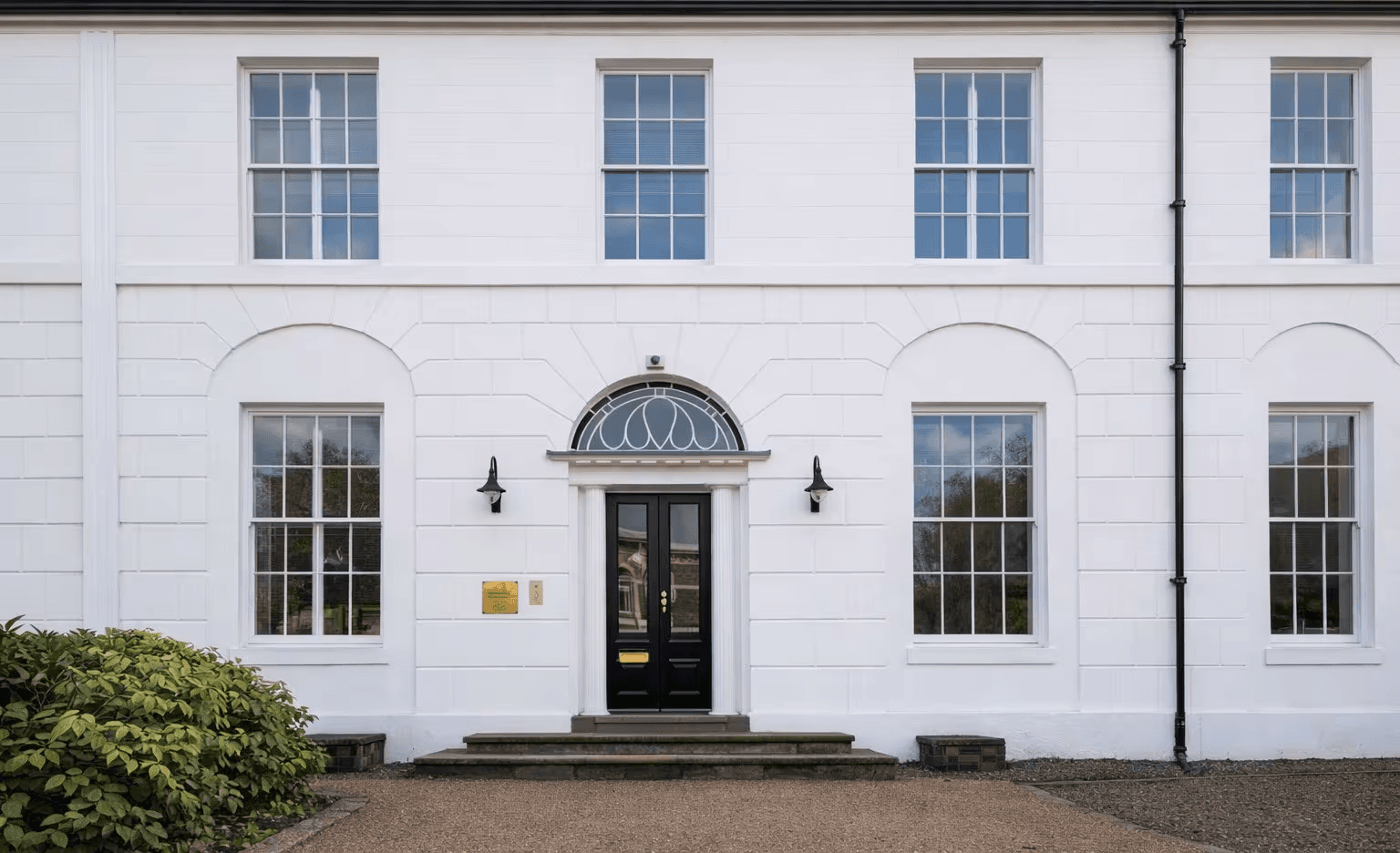
Your procedure takes place in our own minor operations theatre, not in a consulting room with the lights turned up. It is at 88 Hagley Road, Edgbaston, Birmingham B16 8LU, and it is the surgical site for the whole Private Medical Clinic network.
A surgical nurse is with you from the moment you come through to theatre until you leave, which counts for more than it sounds when you are awake for your own operation. Everything is under local anaesthetic as a day case, so there is no general anaesthetic, no overnight stay, and you are home the same day.
You are assessed and treated by the same surgeon, rather than being passed between a clinic doctor and an operating list.

Consultant Plastic, Hand and Peripheral Nerve Surgeon
Mr. Samuel George completed his plastic surgical training at the Northwest Deanery in 2019, after graduating from the University of Aberdeen in 2008. Samuel is a prominent surgical educator in the United Kingdom and a member of the British Association of Plastic, Reconstructive, and Aesthetic Surgeons (BAPRAS) and the British Society for Surgery of the Hand (BSSH).
A keloid is a scar that has kept growing beyond the boundary of the original wound. It is not the same as a hypertrophic scar, which is raised but stays within the wound, and it is not the same as the irritation bump many people get after a piercing, which often settles on its own.
Here is the thing most people are not told: cutting out a keloid on its own tends to produce a bigger keloid. The surgery is itself a wound, and the same tendency that produced the first scar produces the next. That is why we will not excise a keloid as a standalone procedure.
Steroid injection is first-line, usually as a course rather than one visit, and for many keloids it is all that is needed. Where a keloid is large, or has failed injection, surgery is combined with steroid at the time of closure and a scar management plan afterwards. Keloids are more common in darker skin, and the treatment plan should reflect that. Adults aged 18 and over.
Treatment starts with an assessment of what the scar actually is, because keloids, hypertrophic scars, and piercing irritation bumps are treated quite differently and are frequently confused.
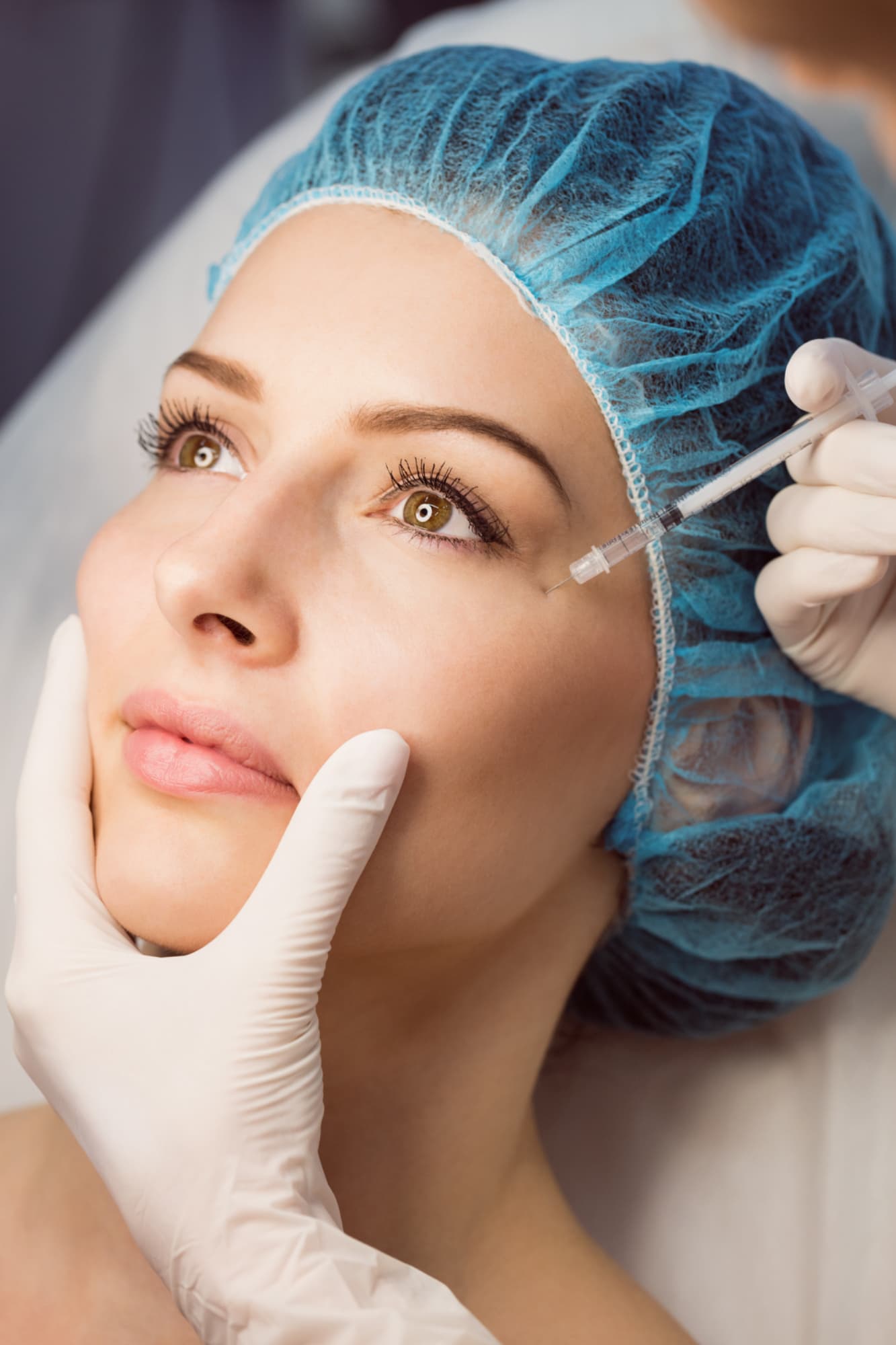
Steroid injection is delivered directly into the scar to flatten and soften it. It is uncomfortable rather than painful, takes a few minutes, and is repeated at intervals as a course. Most keloids improve substantially, and some flatten completely.
Where injection alone will not achieve enough, excision is performed with steroid given at the time of closure and a structured scar management plan afterwards, which may include pressure, silicone and further injections. Never surgery on its own.
Assessment of the scar is and a plan. Injection is often given the same day.
Second injection. Flattening usually starts to show by now.
The course continues at intervals. Most keloids soften and flatten substantially.
Excision with steroid at closure, plus a scar management plan afterwards.
Ongoing review. Keloids can recur, and early treatment of any recurrence works best.
Before-and-after photographs are the most persuasive thing on a surgery page, which is exactly why they have to be handled properly. Every image here is of a real patient of this clinic who has given documented written consent, and the results shown are typical rather than the best we have ever achieved. Ask at your consultation if you would like to see more.
 Before
 After
AfterOur Birmingham clinic is at 88 Hagley Road, in the heart of Edgbaston's medical district, with free on-site parking to the rear and easy access from Five Ways, Birmingham New Street and the A38. Patients travel to us from across Birmingham and the West Midlands.
Address
<p>88 Hagley Rd, Birmingham B16 8LU</p>
Opening Hours
Mon - Fri: 8:00 AM - 7:00 PM
Saturday: 9:00 AM - 2:00 PM
Sunday: Closed
Phone
+44 0121 798 0729
hello@privatemedicalclinic.co.uk
Getting here
By car: A38 and Hagley Road (A456); free on-site parking to the rear
Easily reached from Birmingham city centre, Harborne and the wider West Midlands
Rated ★4.5 by 171+ patients for fast, professional, and personalised care.
Showing our 4 & 5 star reviews
We will not, on its own. Excising a keloid as a standalone procedure tends to produce a larger keloid, because the surgery is itself a wound and the same tendency repeats. Surgery is only ever combined with steroid at closure and a scar management plan afterwards.
Usually a course rather than a single session, spaced four to six weeks apart, with most people seeing meaningful flattening within two or three sessions. How many depends on the size and age of the keloid, and we will give you a realistic estimate at the assessment.
Yes, substantially. That is well established, and it means the treatment plan needs to account for a higher recurrence risk and the risk of pigment change from the treatment itself. Our dermatology lead has particular experience here.
A scar that has kept growing beyond the boundary of the original wound. That is what separates it from a hypertrophic scar, which is raised but stays within the wound edges, and from a piercing irritation bump, which often settles on its own.
Steroid injection first, usually as a course rather than a single visit, substantially flattens most keloids. Where injection alone is not enough, excision is combined with steroid at the time of closure and a scar management plan afterwards. Never excision alone.
Often not. Many bumps that appear after a piercing are irritation or a hypertrophic reaction, and those frequently settle without any treatment. A true keloid grows beyond the original wound and keeps growing. Getting the diagnosis right changes the whole plan, which is why we assess first.
They can, and any clinic saying otherwise is overselling. Recurrence is the reason we review you rather than discharge you, and a returning keloid treated early responds much better than one left for a year.
[Confirm the per-session injection price and the excision package price.] Course or package pricing is the right model for this, rather than charging visit by visit, and the consultation is £195.
Honestly, you largely cannot. Silicone sheeting and pressure have some evidence behind them and are worth using, but the home remedies commonly recommended online do not flatten an established keloid. Steroid injection is the treatment with real evidence.
Book a consultation with Mr Samuel George at our Edgbaston clinic for an assessment, a clear recommendation, and a written price before you commit to anything. If keloid scar treatment is not the right answer for you, we will say so. No referral needed.