

Most Regimens Start Before You Travel
Some start one to two days before departure, others one to three weeks before, depending on the drug. So book at least a few weeks ahead where you can.

There is no malaria vaccine for travellers, so prevention is tablets plus bite avoidance. Which tablet suits you depends on where you are going, how long for, and what else you take. Some need starting well before departure, which is why booking early matters.
There is no malaria vaccine for travellers. Prevention is tablets plus avoiding bites, and the choice of tablet is not interchangeable: it depends on the malaria species in your destination, the local drug resistance pattern, how long you are staying, your own medical history and what else you take.
Chloroquine is still effective in a few places and useless in most. Atovaquone with proguanil suits short trips and is well tolerated but costs more. Doxycycline is cheaper for longer trips but causes sun sensitivity. Mefloquine is taken weekly but is unsuitable for anyone with a history of depression, anxiety, or seizures. Getting this matched to your trip is the whole value of the appointment.
And the part that matters most. No antimalarial is completely protective. A fever during your trip, or at any point within a year of coming home, must be treated as possible malaria until a blood test says otherwise. Falciparum malaria can progress from first symptom to life-threatening within 24 hours. Do not wait, do not assume it is the flu, and tell whoever sees you where you have been.
Some start one to two days before departure, others one to three weeks before, depending on the drug. So book at least a few weeks ahead where you can.
Most regimens continue for four weeks after leaving the malaria area, though one continues for only seven days. Stopping early is one of the commonest reasons travellers still get malaria, because the tablets act on the parasite after it leaves the liver.
Some regimens can start the day before departure. Call us.
Monday to Friday 8am to 7pm, Saturday 9am - 2pm.
| Service | Price |
|---|---|
| Yellow Fever Vaccine (Includes Certificate) | £95 |
| Hepatitis A (Booster after 6-12 months) | £50 |
| Typhoid (Covers for 3 years) | £50 |
| Diptheria, Tetanus & Polio (Covers for 10 years) | £50 |
| Malaria Prescription | £25 |
| Hepatitis B (Course of 3 vaccines – £195) | £65 |
| Rabies (Course of 3 vaccines – £195) | £65 |
| Japanese Encephalitis (Course of 2 vaccines – £250) | £125 |
| Meningitis ACWY (Covers for 3-5 years) | £75 |
| Cholera (Course of 2 vaccines) | £95 |
| Whooping cough vaccine (Pertussis) (Pertussis combined with D/T/P) | £95 |
Step 1
Bring your full itinerary, including rural areas and stopovers, and a list of your current medication.
Step 2
Your doctor checks the malaria risk and resistance pattern for your specific route and season.
Step 3
The right drug for you, with dosing, timing, and side effects explained.
Step 4
Practical prevention, plus written advice on what to do if you develop a fever.

Medical Doctor
Dr Shivani Lal is a dedicated and experienced Senior House Officer. She completed foundation training at Ipswich Hospital and went on to work in hospitals across the North West in multiple specialties, gaining hands-on experience in acute patient care.

Physician Associate
Ella is a dedicated Physician Associate at Private Medical Clinic. She holds a BSc in Biological Sciences and an MSc in Physician Associate Studies from Bournemouth University.
Rated ★4.5 by 171+ patients for fast, professional, and personalised care.
Showing our 4 & 5 star reviews
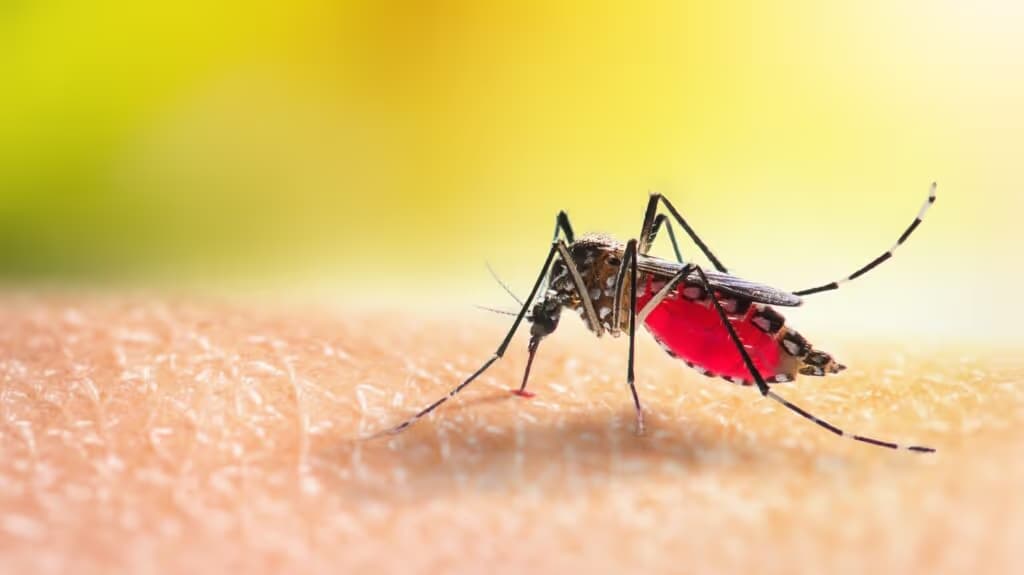
Tablets are one half of prevention. Malaria-carrying mosquitoes, Anopheles, bite between dusk and dawn, unlike the daytime-biting Aedes mosquitoes that carry dengue. That timing shapes what actually protects you:
On the immunity misconception, because it costs lives. People who grew up in a malaria-endemic country often believe they remain protected. Acquired immunity fades within one to two years of leaving, so someone returning to visit family after a decade in the UK is as vulnerable as any other traveller, and their children, born here, have no immunity at all. This group accounts for a disproportionate share of UK malaria cases and deaths.
| Private | NHS | |
|---|---|---|
| Prescription | £25 plus medication | Antimalarials are not NHS funded for travel |
| Waiting time | Same Day | Depends on practice capacity |
| Destination assessment | Full itinerary and resistance assessment | Via travel clinic if available |
| Medication cost | Paid at pharmacy | Paid at pharmacy either way |
| Some options over the counter | Not applicable | Certain antimalarials can be bought from a pharmacy after a consultation |
Book a consultation and tell us your specific itinerary for advice tailored to your trip, rather than relying on a generic destination list.
Not for travellers. Two vaccines exist for children in endemic countries as part of public health programmes, and neither is available or appropriate for UK travellers. Prevention is tablets plus bite avoidance.
It depends on your destination, its resistance pattern, your trip length, your medical history and your other medication. That is what the appointment determines.
Most regimens continue four weeks after leaving the malaria area. One continues for seven days. Finishing the course matters, and stopping early is a common reason travellers still get malaria.
They vary by drug. Sun sensitivity with doxycycline, vivid dreams and mood effects with mefloquine, and occasional stomach upset with atovaquone and proguanil. Your doctor will go through them.
You need the same protection as any other traveller, and children born in the UK have none at all.
Seek urgent medical assessment and say where you have been. Any fever within a year of a malaria area needs malaria excluded by a blood test.
£25 for the prescription, plus the medication cost, which varies by drug and trip length.
Depending on the drug, one to two days or two to three weeks before departure.
Some antimalarials are available from pharmacies after a consultation. Where your situation is straightforward, that may be cheaper.
Some, not others, and options are narrower. Malaria in pregnancy is considerably more dangerous, so this needs a proper conversation. Ideally reconsider travel to a malaria area while pregnant.
No regimen is fully protective, which is why bite avoidance and fever advice both matter.
Almost certainly. Malaria areas overlap with yellow fever, typhoid, and hepatitis A territory.
Book a travel consultation. We will assess the malaria risk on your specific route, prescribe the right drug for you, and make sure you know what to do if you develop a fever.