

SURGEON PERFORMED, NOT DELEGATED
Your procedure is carried out by a surgeon, in the theatre, with the instruments and lighting that the job needs.

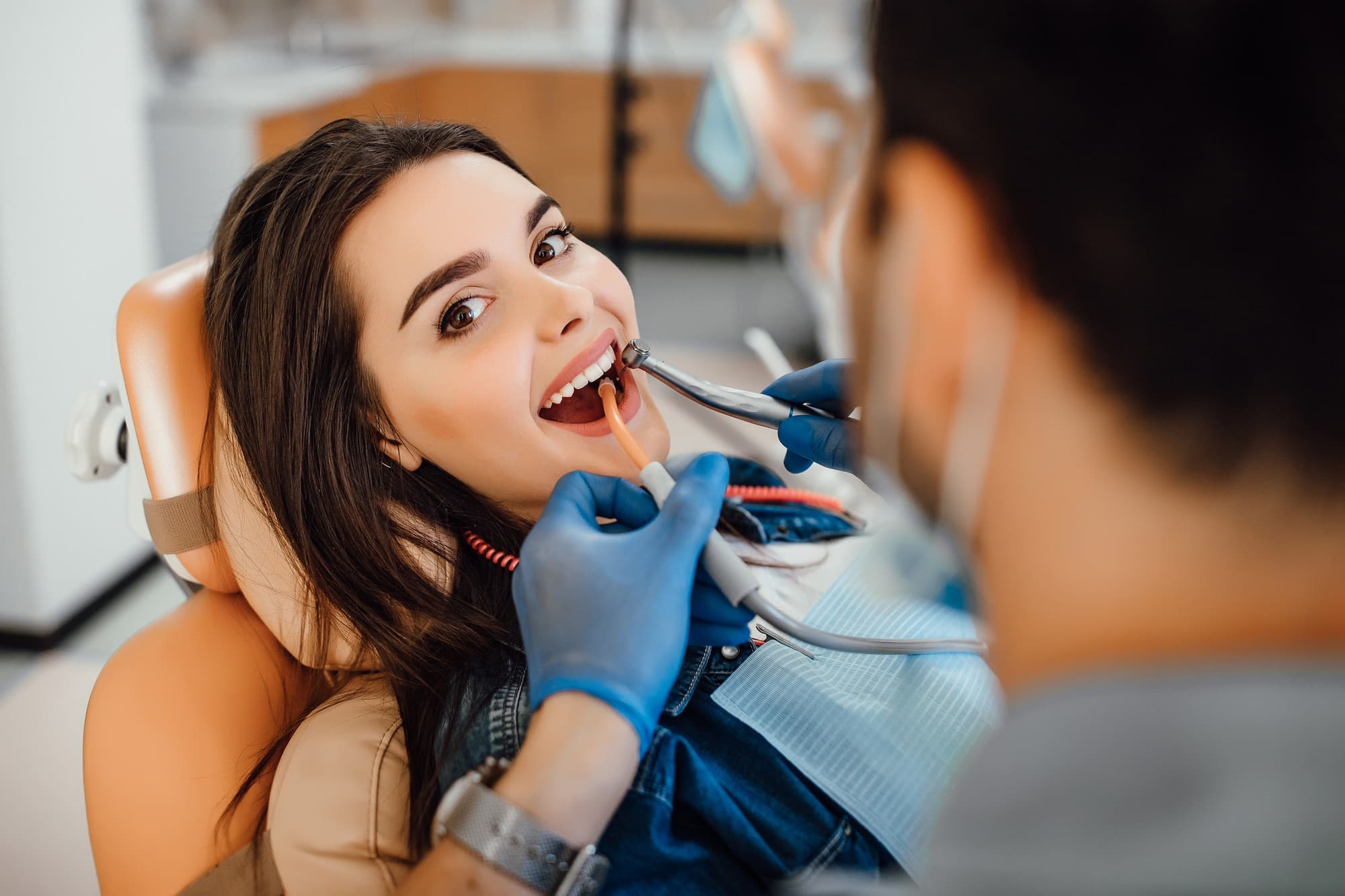
Minor surgery is the surgical removal of small skin and subcutaneous lesions, such as cysts, lipomas, moles and skin tags, performed under local anaesthetic as a day case.
Assessed by a dermatologist before anything is removed, performed in a dedicated minor operations theatre rather than a consulting room, and sent for laboratory analysis whenever the tissue needs examining. You leave with a written result, not a guess.

Dr. Simon Khela
Consultant Private GP and Medical Director
Not all lump and lesion removal is the same. Ours is surgeon-led, carried out in a dedicated minor operations theatre rather than a treatment room. That matters for two reasons.
The first is safety. A sterile theatre, proper instruments and a surgeon reduce the risk of the things that go wrong with minor surgery, which are bleeding, infection and incomplete removal. The second is the scar. How an incision is planned and closed decides what the skin looks like in a year, and that is a surgical skill rather than a matter of luck.
Before anything is removed, your lesion is assessed by a dermatologist, so there are specialist eyes on your skin before a decision is made. Where a removed lesion needs analysing, we send it to an accredited laboratory and share the result with you. Everything is done under local anaesthetic, as a day case, in a CQC-registered clinic.
<p>We remove the full range of benign skin lumps and lesions. Each of the main procedures has its own page with the details.</p>

<p><span style="font-weight: 400">The whole sac is removed, not just drained, because a cyst left with its sac intact comes back. </span><b>From £149.</b></p>
Learn More<p><span style="font-weight: 400">Soft fatty lumps are removed in full through the smallest incision the lump allows. </span><b>From £199.</b></p>
Learn More<p><span style="font-weight: 400">Surgically excised and sent for histology, never laser-treated or shaved off unassessed.</span></p>
Learn More<p><span style="font-weight: 400">Removed in clinic, with cryotherapy when that is the better option.</span></p>
<p><span style="font-weight: 400">Treated definitively rather than repeatedly trimmed.</span></p> <p> </p>
<p><span style="font-weight: 400">Assessed and removed where removal is the right answer.</span></p>
Your procedure is carried out by a surgeon, in the theatre, with the instruments and lighting that the job needs.
A purpose-built, sterile room, not a consulting room turned over between patients.
Your lesion is assessed by a dermatologist first, and histology is arranged whenever the tissue needs examining.
Your chaperone and the surgeon’s second pair of hands, from the moment you walk in.
Your procedure is carried out in a dedicated minor operations theatre, equipped and maintained to surgical standards: sterile, properly lit, with full instrument sets and surgical drapes rather than a dressing trolley. It is a large part of why the results are clean and the complication rate low. It is also the difference you cannot see on a price list, and the reason a cheaper quote elsewhere is not always for the same procedure.
Your procedure is carried out by an experienced consultant plastic surgeon, GMC-registered.

CQC Registered Clinic
Regulated and inspected to meet UK clinical standards.

Consultant Plastic, Hand and Peripheral Nerve Surgeon
Mr. Samuel George completed his plastic surgical training at the Northwest Deanery in 2019, after graduating from the University of Aberdeen in 2008. Samuel is a prominent surgical educator in the United Kingdom and a member of the British Association of Plastic, Reconstructive, and Aesthetic Surgeons (BAPRAS) and the British Society for Surgery of the Hand (BSSH).

Physician Associate
Priya is a devoted Physician Associate working at Private Medical Clinic. She holds a BSc in Biochemistry from Keele University and an MSc in Physician Associate Studies from Buckinghamshire New University.

Private GP with a Special Interest in Dermatology and Aesthetic Medicine
Dr Sonia Khorana is a private GP with a special interest in dermatology and an aesthetic doctor. She graduated from the University of Liverpool Medical School and holds a Postgraduate Diploma in Clinical Dermatology, awarded with Distinction, from Queen Mary University of London.
Step 1
Your lesion is examined, photographed where useful, and assessed by a dermatologist. Nothing is booked until there is a plan you understand.
Step 2
The procedure, the anaesthetic and any laboratory analysis, priced in writing before you commit.
Step 3
In our minor operations theatre, under local anaesthetic, with a surgical nurse alongside you throughout. Most take under an hour.
Step 4
Where the removed tissue needs examining, we send it to an accredited laboratory and share the result with you.
Step 5
Wound care advice, suture removal where needed, and a named contact if anything concerns you.
Most skin lumps are harmless. A few are not, and the difference is rarely obvious from the outside.
Get a lesion looked at if it is growing or changing shape, changing colour or carrying more than one colour, bleeding, itching or crusting, sore or inflamed, or simply new when you are past fifty. A mole that looks unlike your others, or that has changed, should always be assessed.
Having a lump assessed does not commit you to removing it. Plenty of people come for an opinion, get told it is harmless, and go home. Where a lesion does need analysing we arrange histology, and if anything looks like it needs urgent or specialist care, we say so and get you onto the right pathway rather than quietly removing it.
The price depends on the type of lesion, how many you would like removed and the complexity, and we confirm it in writing after your consultation.
| Service | Price |
|---|---|
| PRP Facial | Price |
| PRP Hair Restoration | Price |
| Skin Boosters | |
| Profhilo | Price |
| Skin Booster Course | Price |
| Fat Dissolving | |
| Aqualyx (per session) | Price |
| Fat Dissolving Course | Price |
Assessment appointments run across all our clinics. Minor surgery lists run where there is a minor operations theatre, and we will book you to the nearest one at your consultation.
Clinics: Birmingham, Sutton Coldfield, London, Newcastle, Leicester, Bournemouth, Oxford, Derby, Manchester and Cambridge.
Rated for fast, professional, and personalised care.
Showing our 4 & 5 star reviews
The in-clinic consultation is £95. Cyst removal starts at £149 and lipoma removal at £199, and your exact price is confirmed in writing after assessment because it depends on the size of the lesion and where it is.
Any removal that cuts the skin leaves a mark. How big depends on the lesion and on how the incision is planned and closed, which is the main argument for having it done surgically rather than quickly.
Usually yes, because this is local anaesthetic rather than sedation. If the site would make driving uncomfortable, such as a lesion on the right leg, we will tell you at the consultation.
Often, yes, and it is usually cheaper than separate appointments. It depends on where they are and how long the list allows.
No. You can book an assessment directly, and you do not need to be registered with us.
Yes. Every clinician is GMC-registered, and our clinics are registered with the Care Quality Commission under Khela Medical Limited.
You will feel the local anaesthetic going in, which stings for a few seconds. After that, the area is numb, and you should feel pressure but not pain. Tell your surgeon if you feel anything sharp, because more anaesthetic can be given.
Most minor procedures take under an hour, including the time to numb the area and dress the wound. You walk in and walk out the same day.
We send anything where the tissue needs examining, which includes every pigmented lesion we excise. Where a lesion is plainly benign, we will tell you and explain why analysis is not needed, rather than charge for it.
Sometimes, and if so, we will tell you. The NHS removes lesions that are causing symptoms or that are clinically suspicious. It does not routinely remove lesions for appearance, which is why most people pay privately for those.
Assessment appointments are usually available the same week, and often the same day.
