

Same Day Appointments
Same day phlebotomy slots are usually available across all ten clinics.


TSH alone is the most common thyroid test and the least informative one. A full profile including free T4, free T3 and antibodies shows whether the gland is struggling, whether your body is converting hormone properly, and whether there is an autoimmune cause.
Thyroid problems are common, they are easily missed, and they produce symptoms that are very easily attributed to something else: persistent tiredness, weight change that does not match what you are eating, feeling cold or hot when others do not, low mood, brain fog, hair thinning, changes to your periods.
The test is a straightforward blood sample. What matters is which markers are measured and how they are interpreted. A TSH alone is the standard screening test and is often enough, but where symptoms are clear and TSH sits at the edge of the range, measuring free T4 and thyroid antibodies gives a much more useful picture. This is a common frustration for people who have been told their thyroid is “normal” while still feeling unwell, and it is worth understanding before you test.
Results come back in 24 to 48 hours with a GP report, and where a result needs acting on, treatment or referral is arranged here.
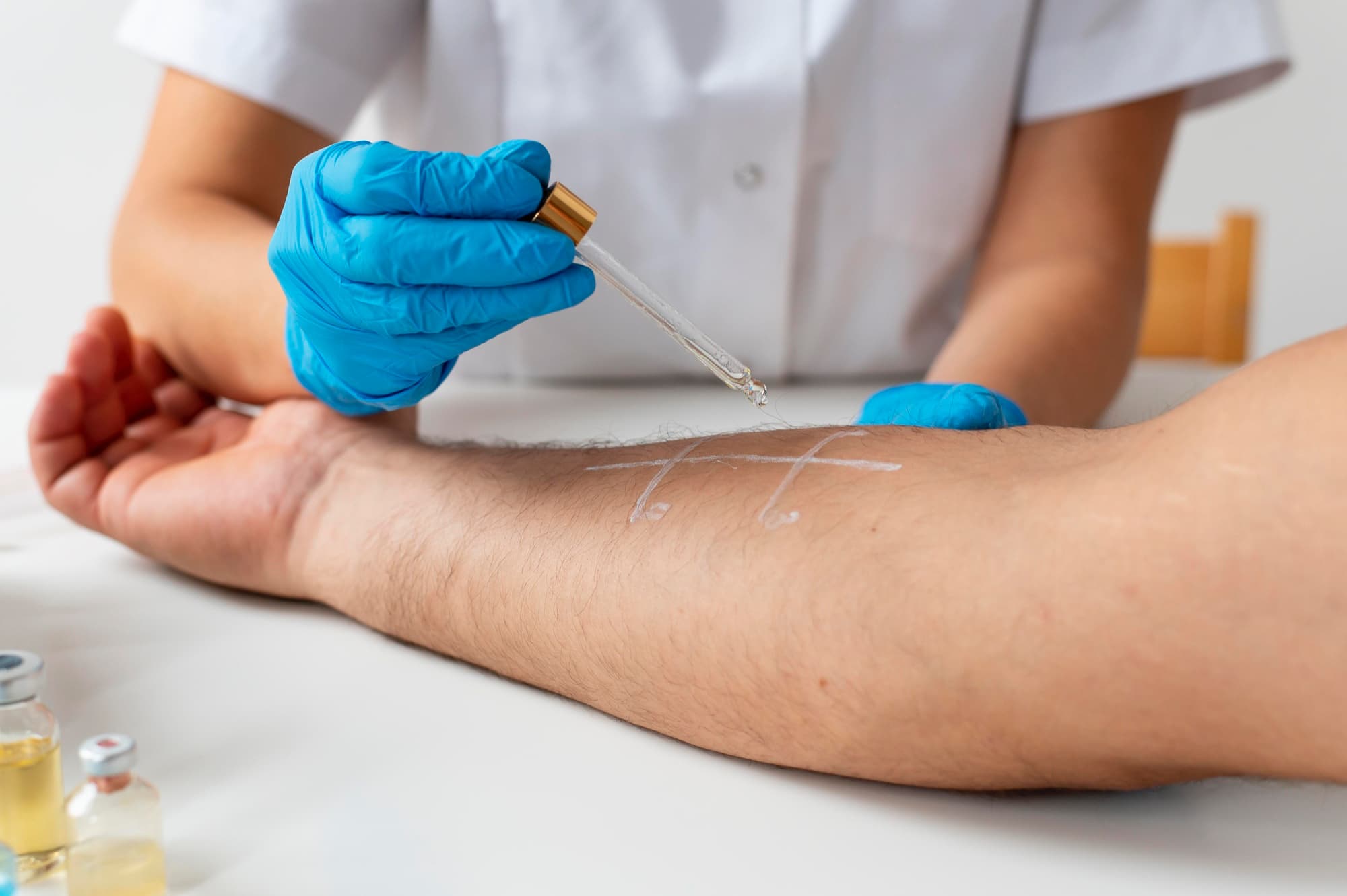
Same day phlebotomy slots are usually available across all ten clinics.
Thyroid tests do not require fasting. If you already take levothyroxine, take your dose after the blood test rather than before, since a recent dose raises the measured level and can make results misleading.
Monday to Friday, 8am to 7pm, Saturday 9:00 am to 2:00pm
Step 1
Same day slots usually available. No fasting needed.
Step 2
A quick sample at your nearest clinic.
Step 3
Analysed and returned with a complete GP report.
Step 4
A GP explains what the results mean, and arranges treatment or referral if anything needs acting on.

Rated ★4.5 by 171+ patients for fast, professional, and personalised care.
Showing our 4 & 5 star reviews
Genuinely relevant here, because treated thyroid disease needs monitoring for life, typically annually or more often after a dose change. Membership includes an annual health screen, 50 per cent off Super Screen bloods and free prescriptions, which covers levothyroxine. Twelve month minimum commitment, auto renews unless cancelled.
Individual Plan
£79
Per User/month, billed annually
Affordable Healthcare For Individuals
Couples Plan
Popular£149
Per User/month, billed annually
Full Benefits For Two People
Family Plan
£199
Per User/month, billed annually
Cover The Whole Family For One Fixed Price

The thyroid produces hormones that set the pace of your metabolism. The pituitary gland monitors thyroid hormone levels and releases TSH, thyroid stimulating hormone, to tell the thyroid to produce more. That relationship is inverse, and it confuses people constantly: a high TSH means an underactive thyroid, because the pituitary is shouting at a gland that is not responding. A low TSH means an overactive one.
The markers:
Thyroid antibodies, particularly TPO antibodies, identify autoimmune thyroid disease, which is the commonest cause of hypothyroidism in the UK. A positive result explains why it happened and predicts progression.
On being told your thyroid is “normal” while feeling unwell. This is a genuine and common frustration, and it deserves an honest answer rather than either dismissal or overpromising. Reference ranges are population based, and a TSH near the top of the range may be normal for one person and not for another. Subclinical hypothyroidism, a raised TSH with a normal free T4, is a recognised state where treatment is sometimes appropriate and sometimes not, depending on the level, symptoms, antibodies and whether you are pregnant or planning to be.
Equally honestly: many people with fatigue have a genuinely normal thyroid, and the cause lies elsewhere: iron deficiency, vitamin D deficiency, sleep apnoea, depression, or perimenopause. Repeatedly retesting a normal thyroid does not help, and a good consultation looks at the whole picture rather than one gland. We will tell you which situation you are in.
On treatment. Hypothyroidism is treated with levothyroxine, which replaces the missing hormone, usually for life, with periodic blood tests to check the dose. It works well for most people. Hyperthyroidism needs specialist endocrinology input, and we would refer you.
| Private | NHS | |
|---|---|---|
| Referral | None | Via GP, on clinical indication |
| Waiting time | Same Day | Practice availability |
| Results | 24 to 48 hours | Several days to two weeks |
| Interpretation | GP report included | Discussed at a follow up |
| Fuller panels and antibodies | Available on request | Usually only on clinical indication |
| Treatment and monitoring | Available, prescription £25 plus medication | Free, and levothyroxine is a medical exemption from prescription charges |
| Nephrology referral | Arranged | Within the NHS pathway |
| Cost | from £95 | Free |
Worth knowing: if you are diagnosed with hypothyroidism you are entitled to free NHS prescriptions for all your medication via a medical exemption certificate, not just for levothyroxine. That is a genuine financial reason to have long term thyroid treatment managed through the NHS, and we would tell you so rather than keep you paying privately.
No
Within 24 to 48 hours, with a GP report.
Not always, but they identify autoimmune thyroid disease, explain why it happened and help predict progression. Worth including if your TSH is abnormal or borderline.
An underactive thyroid can, though usually modestly. Substantial weight gain is rarely explained by thyroid alone, and it is worth being honest about that.
Yes, and a family history raises your risk considerably.
Take it after the blood test rather than before, since a recent dose raises the measured level.
An underactive thyroid. The relationship is inverse: high TSH means the pituitary is working hard to stimulate a gland that is underperforming.
A fair frustration. It may mean a borderline result worth interpreting alongside symptoms and antibodies, or it may mean the cause is elsewhere, commonly iron, vitamin D, sleep or mood. Either way it is worth a proper consultation rather than repeat testing.
Yes, and thyroid function matters in pregnancy. Tell us, since the target ranges differ.
With your consent, and we would encourage it if you start treatment.
Book a same-day blood test. Results in 24 to 48 hours with a GP report explaining exactly what they mean.
